
Specialty Insights
Revenue Cycle Considerations for Dermatology Practices
Same-day E/M and procedures, global periods, pathology-dependent coding, cosmetic vs. medically necessary services, and specialty drug authorizations in dermatology.
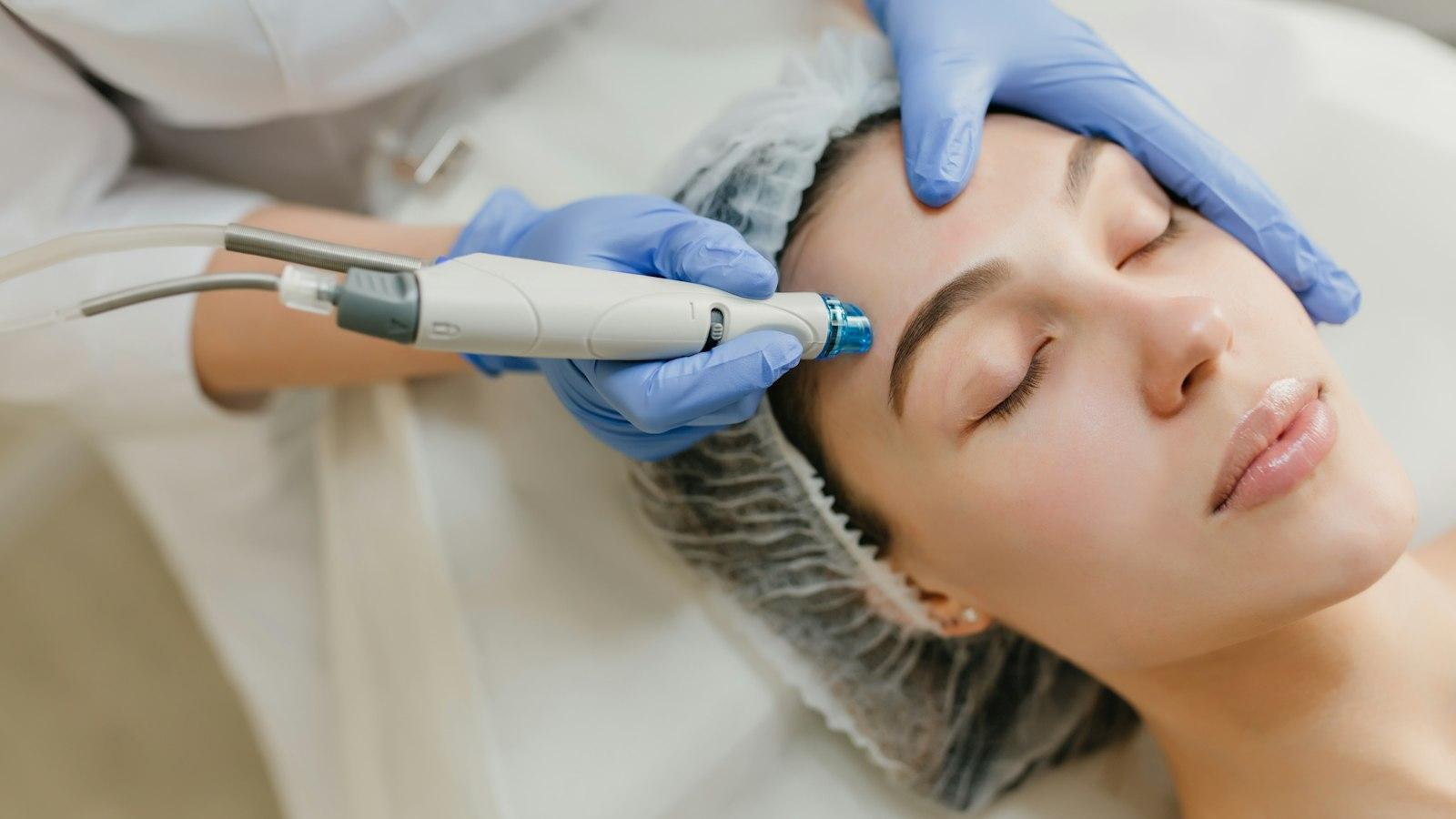
Dermatology practices combine high-volume office visits, frequent same-day procedures, pathology that often determines the final code, and a mix of covered medical care and self-pay cosmetic services. Each of those creates revenue cycle work that general billing processes don't always handle well. This article covers the operational points specific to the specialty; the general revenue cycle framework is in Common Revenue Cycle Bottlenecks.
Same-day visits and procedures
Dermatology visits frequently end with a procedure — a biopsy, a destruction, a shave removal — performed the same day. That raises the question of whether the visit itself is separately payable.
Under Medicare's National Correct Coding Initiative policy, the decision to perform a minor surgical procedure is included in the payment for the procedure. A significant, separately identifiable evaluation and management (E/M) service can be reported with modifier 25, and the E/M and procedure do not need different diagnoses (CMS: Medicare NCCI Policy Manual). Commercial payers set their own modifier 25 policies, and some have changed payment for these combinations over time.
Operationally: the documentation needs to show the separately identifiable work — for example, evaluation of other problems beyond the lesion treated. Modifier 25 use is a frequent focus of payer review, so it is worth monitoring by provider and payer.
Global periods
Many dermatologic procedures carry a 0- or 10-day global period. For 10-day global procedures, E/M services on the day of the procedure and during the 10-day postoperative period are generally not separately payable unless an exception applies (CMS: Global Surgery Booklet, MLN907166). Schedulers and billers both need to recognize when a follow-up visit falls inside a global period, so it is handled correctly rather than denied or, worse, paid in error.
Pathology drives final coding
For excisions, the code set distinguishes benign from malignant lesions, and the final diagnosis often depends on the pathology report. That creates a built-in delay: the claim can't be finalized until pathology returns.
Practical controls:
- Track charges held for pathology as their own work queue, with an expected turnaround
- Reconcile specimens sent against pathology reports received, so none are lost
- Define who updates the diagnosis and code when the report arrives
- Watch charge lag for procedure visits separately from office visits
If the practice operates its own dermatopathology lab, the lab's billing, compliance, and payer enrollment are an additional workstream to manage.
Cosmetic vs. medically necessary
Many dermatology practices offer both covered medical care and cosmetic services. The line matters for billing:
- Medicare excludes cosmetic surgery and related expenses, with limited exceptions such as prompt repair of accidental injury or improving the function of a malformed body member (Social Security Act §1862(a)(10), SSA: §1862).
- Removal of a benign lesion may be covered when documentation supports medical necessity (for example, symptoms such as bleeding or irritation) and not when it is for appearance. Several Medicare Administrative Contractors publish local coverage policies on this; check the Medicare Coverage Database for your jurisdiction.
- For services Medicare may deny as not reasonable and necessary, an Advance Beneficiary Notice (ABN) can shift financial liability to the patient when issued correctly. An ABN isn't required for services Medicare never covers, such as cosmetic procedures, though a voluntary notice is good practice (CMS: FFS ABN).
Commercial plans have their own cosmetic exclusions and medical necessity criteria.
Operationally: decide before the procedure whether it will be billed to insurance or paid by the patient, document the reason, and get any required notice or financial agreement signed. For self-pay services, uninsured and self-pay patients are entitled to a good faith estimate under the No Surprises Act (CMS: provider requirements).
Prior authorization for specialty drugs and procedures
Biologic and other specialty medications for chronic skin conditions commonly require prior authorization, often through the pharmacy benefit and with periodic renewal. Note that the CMS Interoperability and Prior Authorization Final Rule's decision-timeframe requirements apply to medical items and services, not drugs (CMS: CMS-0057-F fact sheet). Tracking renewal dates matters as much as the initial approval. Some procedures, such as certain phototherapy or Mohs surgery cases, may also require authorization depending on the payer. See Prior Authorization: Where the Workflow Breaks Down.
Patient financial responsibility
Dermatology patients frequently face deductible and coinsurance costs for procedures and pathology that they didn't anticipate at a routine visit. Estimating likely procedure costs, explaining that pathology may be billed separately (sometimes by an outside lab), and collecting at the time of service reduce later disputes.
What to monitor
- Modifier 25 usage and denial rate, by provider and payer
- Charges held for pathology, and their age
- Denials related to global periods
- Cosmetic vs. medical classification disputes
- Authorization denials and renewals for specialty drugs
- Patient AR trend, especially after procedure visits
For an illustrative example of AR visibility work in this specialty, see the dermatology AR visibility scenario.
Key Takeaways
- Modifier 25 requires documentation of separately identifiable E/M work; monitor its use by provider and payer.
- Pathology often determines the final excision code — manage held charges as their own work queue.
- Decide before a procedure whether it is billed to insurance or self-pay, and document why.
Sources & References
Regulations, program rules, and payer policies change. Educational content only — confirm current requirements with the payer, program, or your advisors before acting.
- CMS — Medicare NCCI Policy Manual
- CMS — Global Surgery Booklet (MLN907166)
- Social Security Act §1862 — Exclusions from coverage
- CMS — Medicare Coverage Database
- CMS — FFS Advance Beneficiary Notice of Non-coverage (ABN)
- CMS — No Surprises Act: provider requirements and resources
- CMS — Interoperability and Prior Authorization Final Rule (CMS-0057-F) fact sheet
Related Renvara Solution
DermatologyWant to discuss how this applies to your practice?
Book a Practice Assessment to talk through this operational area with Renvara.
